
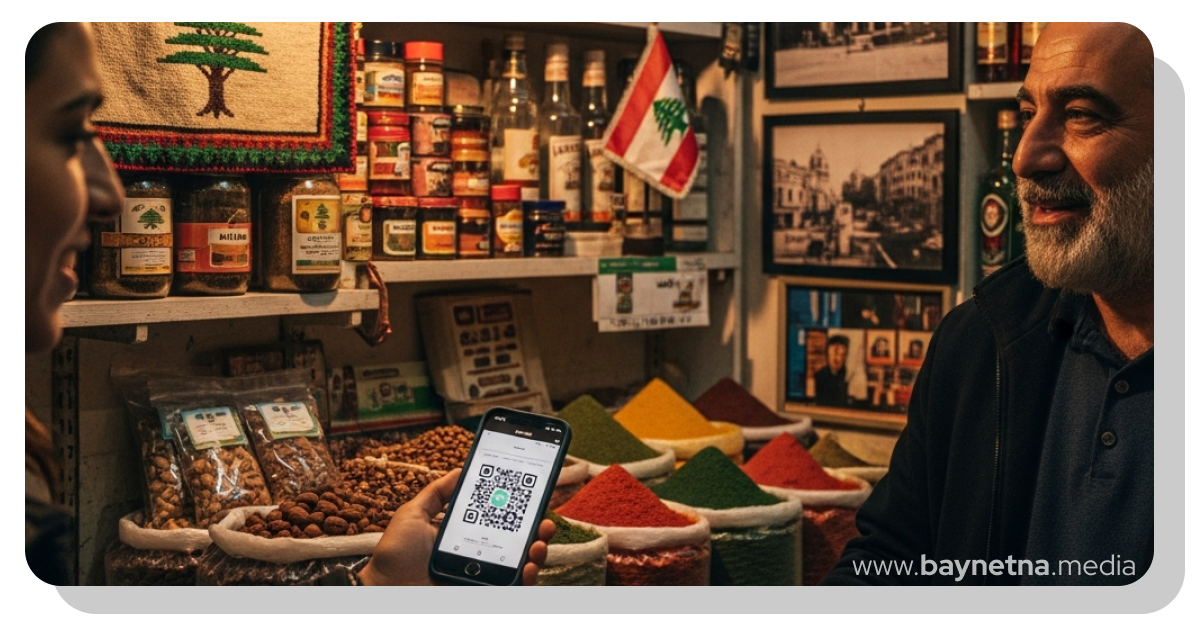
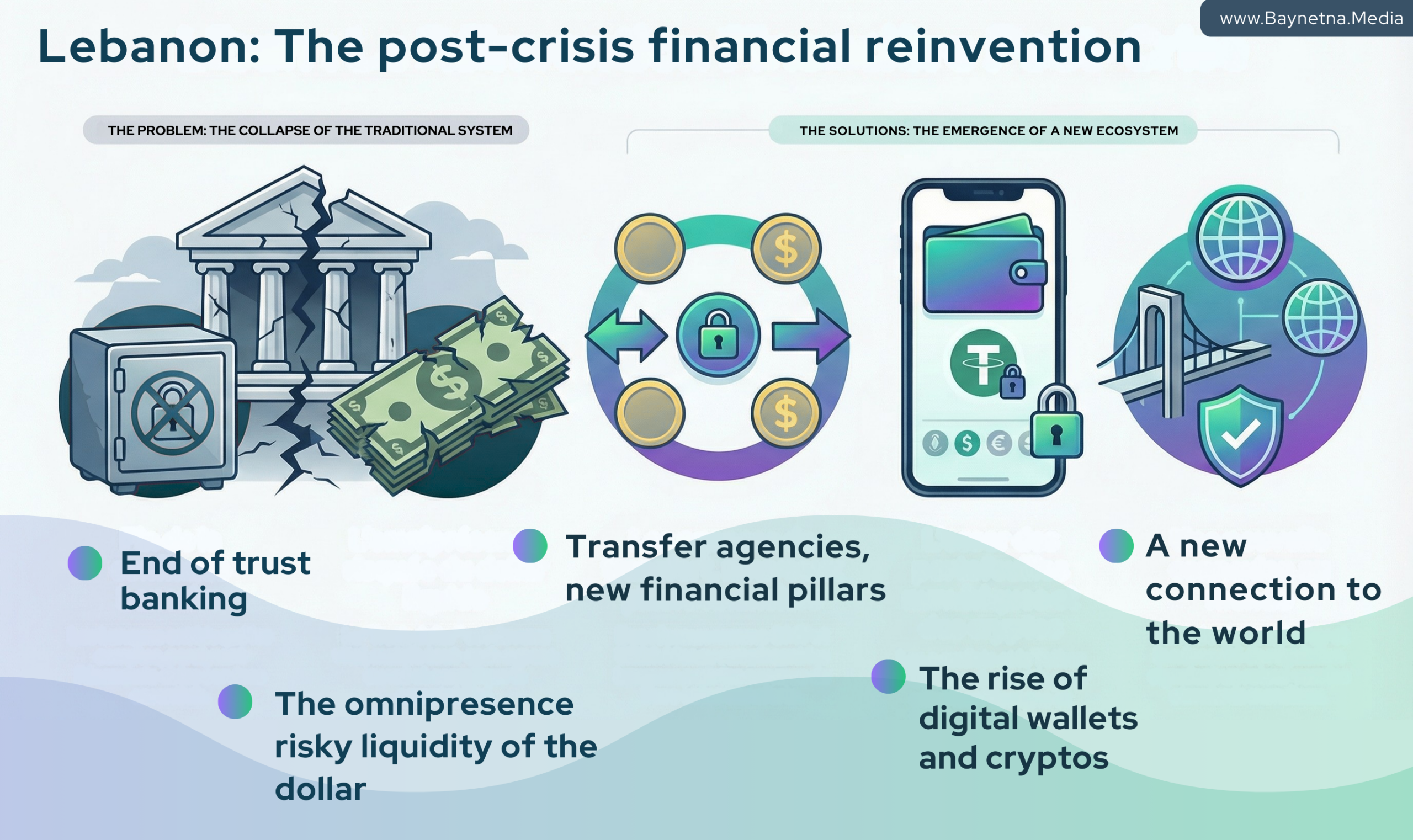
Lebanon’s financial face is changing at a dizzying speed. Since the 2019 collapse, we have been observing a profound shift in usage. The traditional banking system has given way to new methods. These solutions now allow the Lebanese economy to stay afloat. At Baynetna.media, we analyze this digital transition. It is redefining our daily lives and our exchanges with the world. This evolution is the key to a surprising new economy. It represents the strength of a Lebanese youth that refuses to give up.
The end of a classic banking era in Lebanon
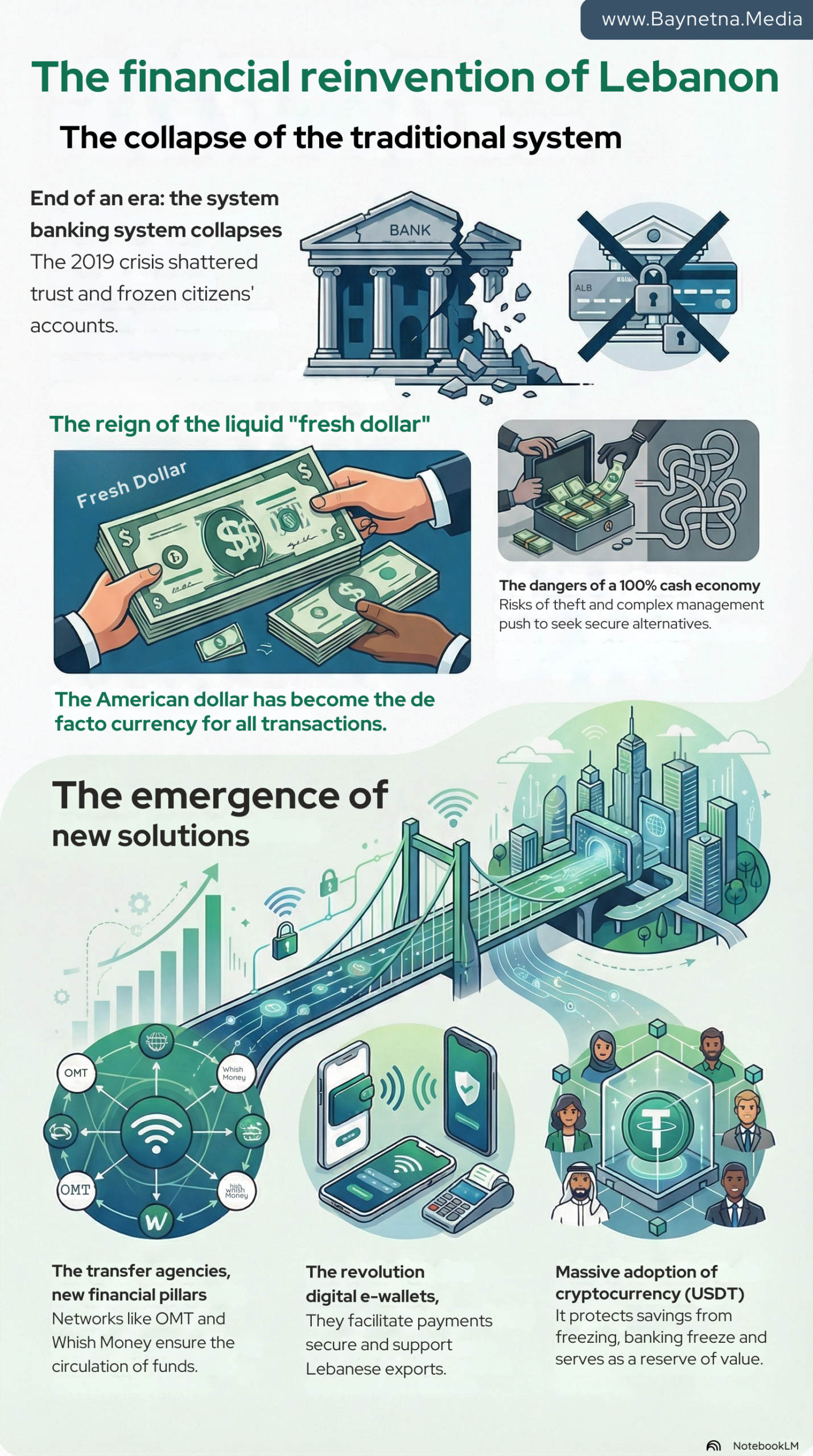
The banking system of Lebanon was once a regional pride. It was often called the Switzerland of the Middle East. The financial crisis shattered this historical trust in just a few months. Banks blocked the accounts of Lebanese citizens. Thus, we observed the emergence of an unequal financial system. Banks no longer provide essential services. The collapse forced Lebanese people to change their habits. Banks no longer played their role as a central pivot. International transfers have become complex and very expensive. This situation has hit local businesses hard. In this way, it crushed the dreams of many young Lebanese entrepreneurs.
Complex management for entrepreneurs
The absence of credit has slowed the momentum of Lebanese creators. It has also complicated the management of emerging Lebanese exports. Without access to their funds, industrialists had to innovate. They looked for alternatives to pay for their raw materials. The economic survival of Lebanon depends on this ability to adapt.
The lack of liquidity has created a parallel economy. Local stores no longer accept checks. Traditional bank cards no longer serve their original function. We have learned to live without reliable financial intermediaries. This transition period was marked by uncertainty. Yet, it opened the way for technological solutions.
The undisputed reign of cash dollars in Lebanon
The US dollar is now used everywhere to settle transactions. This massive dollarization now affects all sectors of activity. It concerns small purchases as well as large contracts.
The term “fresh dollar” refers to funds that are actually available. These are currencies introduced into Lebanon after the crisis. Thus, they move without any arbitrary limitation. It is the preferred currency for paying salaries. Without these greenbacks, life in Lebanon would stop.
The fresh dollar allows for paying foreign suppliers. It provides necessary stability to Lebanese merchants. Without this currency, the economy would have completely stopped. Moreover, it constitutes the foundation for the survival of the private sector. Lebanese companies rely on this liquidity to function.
The real risks of a cash economy
Living with cash carries many dangers. The cash economy exposes citizens to theft. Accounting management becomes a real daily headache. Businesses in Lebanon need more security. Digital solutions are finally providing an answer that has been long awaited. Switching to digital is essential for the future, at least partially.
The new money transfer giants in Lebanon
In the absence of banks, other players have taken over. Money transfer companies are the new financial pillars. They have impressive physical networks throughout the territory. These agencies ensure the circulation of money in Lebanon. They have become the nation’s new tellers.
The strategic omnipresence of the OMT network
The OMT agency has become a multi-service financial center. People easily pay their water and electricity bills there. They also settle their taxes to the Lebanese state. It is the mandatory passage point for many of us. This network provides an essential proximity service.
Its link with Western Union remains fundamental for us. It allows for receiving direct aid from the diaspora. These financial flows support thousands of Lebanese families. OMT provides a reliability that banks have lost. It is a vital bridge between Lebanese people around the world.
The rise of Whish Money in Lebanon
Whish Money has revolutionized proximity payment in Lebanon. Its mobile app is simple and very intuitive. It allows for transferring money instantaneously. The network has more than 500 active points of sale. It is an important tool for engaged Lebanese youth. Whish makes transactions easier without using cash.
The e-wallet revolution serving the Lebanese economy
E-wallets (digital wallets) are transforming commerce in Lebanon. They offer a credible alternative to the failing banking system. These tools greatly facilitate the lives of Lebanese entrepreneurs. They also open new perspectives for global growth. Technological innovation is saving our small businesses.
Simplifying Lebanese exports through digital technology
Fintech (financial technology) helps develop Lebanese exports. Producers can now receive secure international payments. These currency flows are essential for the country. They allow for investing in new modern infrastructure. Lebanese exports thus become more competitive.
Lebanese companies are becoming more flexible in international markets. Receiving a payment becomes as simple as sending a message. It is a revolution for our trade balance. Lebanese industry is modernizing thanks to these digital tools.
Supporting the export of local agricultural products
The export of agricultural products benefits from this digital agility. Lebanese producers use innovative payment platforms. In this way, they bypass the delays associated with classic banking circuits. This guarantees better cash flow for their fragile farms. The export of agricultural products gains transparency and speed. Transaction traceability is also reinforced thanks to e-wallets.
Cryptocurrency as a means of financial protection
Lebanon shows one of the highest adoption rates. Blockchain technology provides a new financial freedom. It allows for bypassing the blockages of the classic financial system. Digital assets contribute to securing the wealth of Lebanese families. For us, cryptocurrency is considered an essential necessity rather than a superfluous luxury.
Massive adoption of Tether in Lebanon
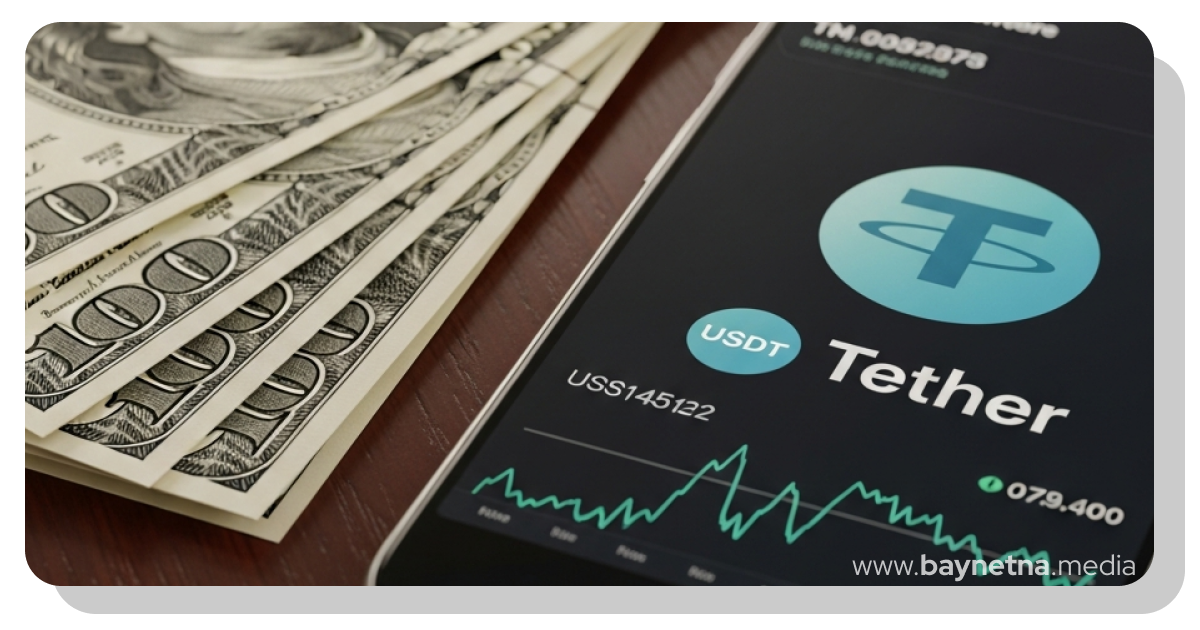
Tether (USDT) has become the favorite virtual currency. It is pegged to the US dollar. This avoids the usual volatility of other crypto-assets. Furthermore, we use it for important real estate transactions or commercial deals. It is a reliable and accessible digital reserve of value. USDT circulates freely in Beirut’s businesses.
Many Lebanese people prefer to store their savings in USDT. It is a protection against arbitrary bank decisions. Access to funds is possible anywhere and anytime. This independence changes our relationship with money. Technology gives power back to Lebanese citizens.
The central role of the Lebanese diaspora
The Lebanese diaspora massively uses these new digital tools. They send funds to support loved ones staying here. Applications like Purpl or MySay facilitate these transfers. Fees are much lower than in the past. This strengthens the vital links with the Lebanese homeland.
Financial regulation challenges in 2026
The year 2026 looks crucial for finance in Lebanon. New international standards are starting to apply. The Banque du Liban (BDL) seeks to regulate these innovations. The goal is to sustainably secure the entire digital ecosystem. We must protect this new payment system.
The arrival of Google Pay in Lebanon in 2025
Google Pay has been available in Lebanon since June 2025. This allowed for contactless payment (NFC), sending a strong signal to international investors. This demonstrates that Lebanon remains a modern market. The lives of Lebanese consumers are much simpler. The smartphone is now the primary means of payment.
This step will mark Lebanon’s return to the international stage. Tourists will be able to pay with their usual tools here. This will boost the service and trade sector. We are moving towards a necessary technological normalization. It is an open door to economic recovery.
FATF monitoring and the grey list
Lebanon must prove the transparency of its financial flows. The FATF (Financial Action Task Force) closely monitors exchanges. New fintechs must respect strict international rules. Money laundering prevention is an absolute priority. This is the condition for staying connected to the financial world. Rigor is the price of our credibility.
We are going through a major technological transition. Lebanon is reinventing itself through its means of payment. Cash is gradually giving way to agile digital solutions. This ability to adapt is our greatest collective strength. Together, we are building a more modern financial future. Lebanese exports will be the first direct beneficiaries. Our products will shine thanks to these new exchange tools.
Sources:
- World Bank: Lebanon – Economic Monitor “Turning the Tide” (2025)
- SECO (Switzerland): Analysis of Remittances in Lebanon – 2025 Edition
- French Treasury: Note on the Dollarization of the Lebanese Economy (February 2025)
- Banque du Liban (BDL): List of circulars on non-banking financial institutions
- Libnanews: News on fintech and mobile payments in Lebanon


